
Is Your Pet Protected? Everything You Need to Know About Heartworm Disease
- Animal Wellness Veterinary Hospital and Clinics
- Apr 23
- 4 min read
Learn how heartworm disease spreads, what symptoms to watch for, and how to keep your dog or cat safe year-round. Expert guidance from our veterinary team.
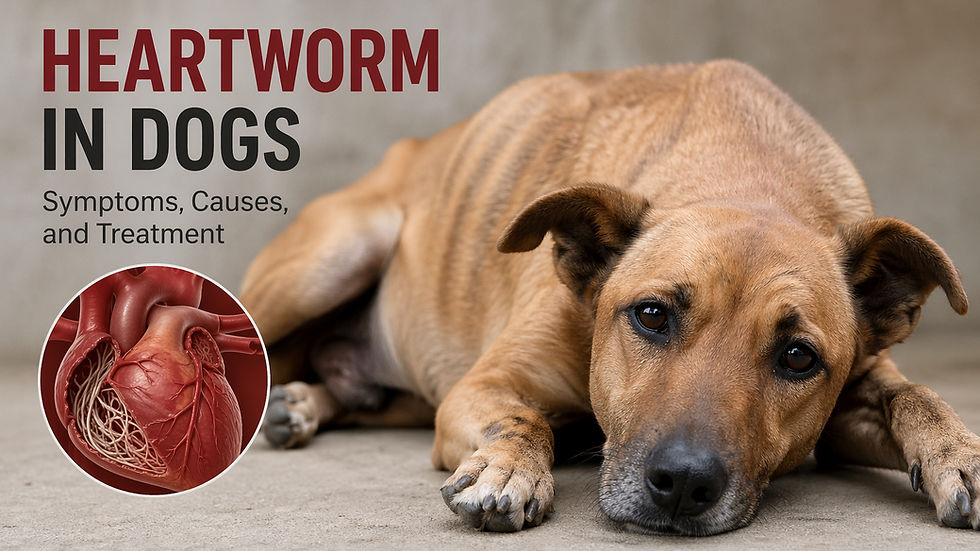
Heartworm disease is a silent, progressive threat, one that can take months or years before a pet shows obvious signs of illness. As a premier veterinary care provider, we believe informed pet owners are empowered pet owners. This April, during Heartworm Awareness Month, we're sharing everything you need to know to keep your dog, cat, and household safe.

What Is Heartworm Disease?
Heartworm disease is caused by a parasitic worm called Dirofilaria immitis, a roundworm that, in its adult form, lives in the heart, lungs, and surrounding blood vessels of infected animals. Dogs are the primary hosts, where the worms can grow up to 12 inches long and live for 5–7 years. Cats, while not ideal hosts, are also susceptible and can suffer severe, sudden reactions.
The disease is found across the globe, and in the Philippines, the warm and humid climate creates an environment where heartworm transmission can occur year-round.
DID YOU KNOW?
A single infected dog can harbor hundreds of adult heartworms at one time. Without treatment, the disease is fatal but with the right prevention, it is 100% avoidable.

How Is It Transmitted? The Causes
Heartworm is not contagious between pets, it cannot be passed from dog to dog through direct contact. The only mode of transmission is through the bite of an infected mosquito, making mosquito control and prevention critical.
Here's how the transmission cycle works:
PHASE 1 | A mosquito bites an infected animal (called the reservoir host) and ingests microscopic heartworm larvae called microfilariae. |
PHASE 2 | Inside the mosquito, the microfilariae mature into infective larvae over 10–14 days. |
PHASE 3 | The infected mosquito bites your pet, depositing the larvae through the skin and into the bloodstream. |
PHASE 4 | The larvae migrate to the heart and lungs, where they mature into adult heartworms over 6–7 months, a period with no visible symptoms. |
PHASE 5 | Adult worms reproduce, releasing microfilariae into the bloodstream, completing the cycle if another mosquito feeds on your pet. |
Because the Philippines has no true "mosquito-free" season, year-round prevention is strongly recommended for all pets, indoors and outdoors alike.

Recognizing the Signs & Symptoms
One of the most dangerous aspects of heartworm disease is its slow, stealthy progression. Pets in early stages may appear perfectly healthy. As the disease advances, symptoms become increasingly severe. Below are the warning signs to watch for, organized by stage.

Persistent Cough
A soft, chronic cough, often mistaken for kennel cough or allergies is one of the earliest signs, especially after mild exertion.

Exercise Intolerance
Your pet tires easily, loses interest in play, or struggles after activities that were once effortless.

Lethargy & Fatigue
Noticeable low energy, reluctance to move, or excessive sleeping beyond normal behavior.

Weight Loss
Unexplained loss of appetite and body weight despite no change in diet or routine.

Labored Breathing
Shortness of breath, rapid breathing, or difficulty breathing even at rest in advanced cases

Swollen Abdomen
Fluid accumulation in the abdomen (ascites) due to heart failure, a sign of advanced disease.
IMPORTANT NOTE FOR CAT OWNERS
In cats, heartworm symptoms can mimic asthma or respiratory disease, and in some cases, the first sign is sudden collapse or death. Cats require a different diagnostic approach, as standard dog tests may not detect feline heartworm.

The Effects on Your Pet's Health
Left untreated, heartworm disease causes permanent, irreversible damage to the heart, lungs, arteries, and kidneys. The severity depends on the number of worms present, how long the infection has persisted, and the animal's individual immune response.
In dogs, large worm burdens lead to a condition called caval syndrome, a life-threatening blockage of blood flow into the heart. Emergency surgery is the only option at this stage, and survival is not guaranteed. In cats, even a single adult worm can cause fatal lung inflammation.
Even after successful treatment, many dogs are left with scarred lung tissue and reduced cardiac function, a permanent legacy of an infection that could have been prevented for just a few pesos per month.

Prevention: The Smartest Investment
Prevention is not just easier than treatment, it is dramatically more affordable, safer, and more effective. Here are the key steps every pet owner should take:

Year-Round Preventive Medication
Monthly oral tablets, topical spot-ons, or injectable preventives (administered by your vet) are safe, proven, and highly effective. Ask our team which formulation is best suited for your pet's lifestyle, weight, and health status.
Annual Heartworm Testing
Even pets on preventives should be tested annually. Early detection means simpler, less expensive treatment. We recommend a combination antigen and microfilaria test for the most complete picture.
Mosquito Reduction at Home
Eliminate standing water around your property, use pet-safe mosquito repellents, and keep your pet indoors during peak mosquito hours (dusk and dawn) whenever possible.
Consistent Wellness Visits
Regular check-ups allow our veterinarians to assess your pet's overall health, update preventives as needed, and screen for early signs of disease before they become serious.
Never Skip, Never Delay
A lapse in monthly preventive medication, even a single missed dose, opens a window for infection. If your pet misses a dose, contact us before restarting, as a test may be advised first.
Schedule Your Pet's Heartworm Screening Today!
Prevention starts with a conversation. Our veterinary team is here to guide you through the best protection plan for your companion, tailored to their needs and your lifestyle.


Comments